http://www.lankaeuro.com/
Have been thinking about the scars, traces, evidence, fossils, layers of memory and identity, and proof of our existence, that we leave for future generations to find and it's bugging me that my children will not necessarily find a box full of tatty photos to scan through once i'm dead and gone; instead they will be handed a bunch of external hard-drives that might not even work.
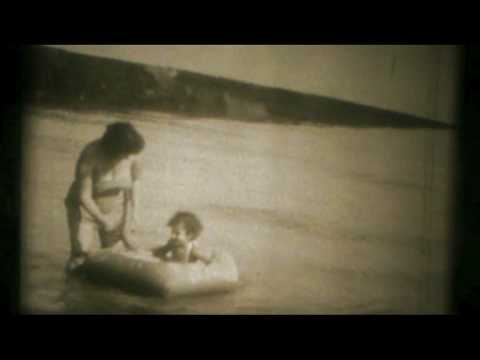
When my dad light-heartedly appointed me the family archivist he could not have anticipated quite how significant his words were. He handed me his 8mm projector, a whole bag of cine films, and his beautiful standard 8 film camera because he understood the value of these items, as well as the nature of digitisation of the image. For him DVD's, JPEGS and digital storage are easy and convenient, as well as instantly accessible. He wants instant access to the images of his life and family that he and my mum can enjoy with a wee tipple, without the aggravation of setting up a screen and projector. However, he also understands that the nature of digitisation renders the original obsolete...we make copies of copies of copies. Digitisation may have democratised image making but this in turn has decreased the value of the image.
He spoke to me about buying his first film camera and his Voigtlander SLR in terms of feeling excited about being a craftsman, and the satisfaction of having to learn how to use them "like being part of an elite few" who could do this. Surely he shared this feeling of mastering new image making technology with the thousands of other people who bought the latest film technology to make home movies and family albums, but it still made him feel life an expert. He then set about making films, recording holidays and family events, splicing these together by hand and adding animated end sequences, and film titles and credits. To view these films required the effort of setting up the projector and rearranging the furniture to accommodate the family in the viewing of them. It was an event that didn't happen too often but was met with excitement! We would gasp at seeing our much younger selves on screen, coo over babies, remark on the absence of favorite family members and pets, and squabble over whose remembered version of events was the correct one! The viewing and collective remembering of these home movies was an event. With the advent of digital photography, huge hard drives, immediate access to visual imagery and online photo albums, such as we create in FB, we can flick through photographs and films instantly but there are no originals to hold in our hands! We have lost the notion of touching imagery, and the scars we make are virtual - digital traces that bounce around cyberspace along with ten tonnes of meaningless infobytes, or that survive in the form of digital code on a soon-to-be-obsolete computer hard drive.
So where does this leave the notion of traces of history - filmic references to the real life narratives and experiences of real people. How will future generations understand how we lived if there are no actual home movies, family albums, indexical images, fossil records and pictorial relics to mine familial narratives from?...The films my dad gave me, the ones i can hold in my hands are not only a visual record of activity and community but are the actual evidence that these things took place - those films were in the camera on the day of the shoot, and are looping their way through the projector every time the films are watched, slowly degrading every time.
The social archeologists of future generations will need to dig through the layers of digital cyber shadows and information space junk, currently drowning out our individuality in a constant stream of self conscious posturing in the homogenous networking zones that are Facebook and Twitter, in order to find these self same references to identity and family life, if they are still there!


No comments:
Post a Comment